
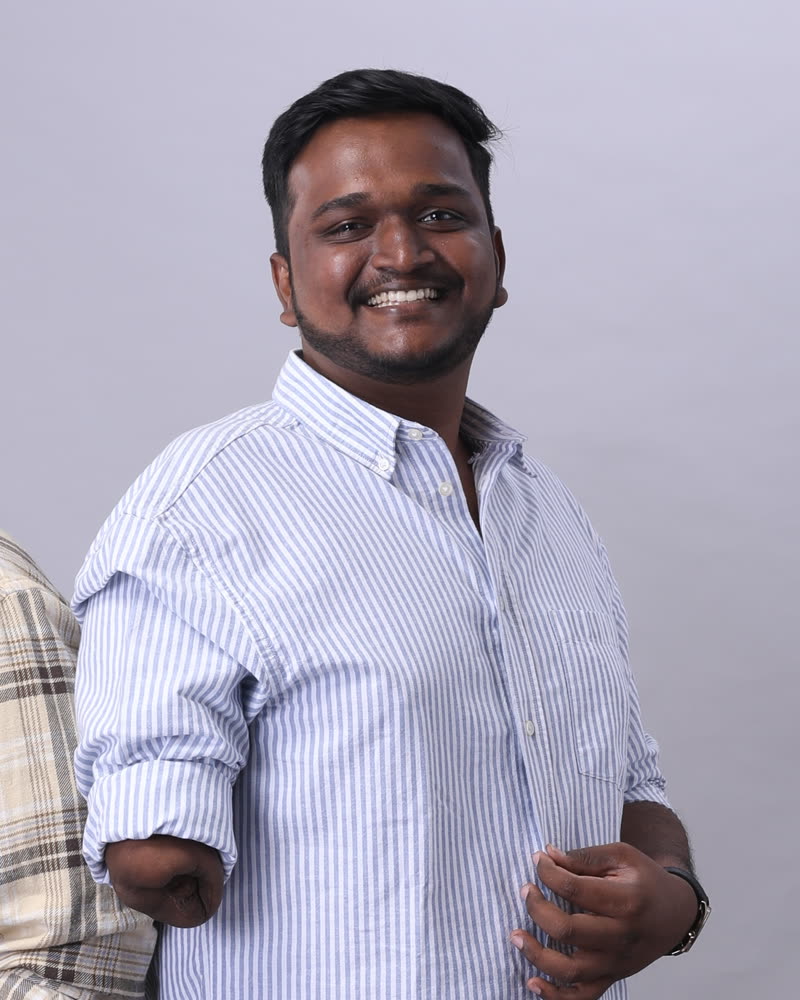
Writer
Rishi Krishna
Co-founder & CEO, Symbionic | Product Designer | Disability Advocate | TEDx Speaker
Rishi Krishna is an Indian entrepreneur, product designer and disability advocate. He is the co-founder and CEO of Symbionic, a Chennai-based assistive technology company developing functional, affordable prosthetic solutions for people with limb differences.
He is also an upper-limb amputee, a prosthetic user, and someone who has spent years questioning how technology is designed, who gets access to it, and whose needs are considered important.
His work sits at the intersection of product design, disability, entrepreneurship and human agency.
From personal experience to a larger purpose
In September 2018, at the age of 24, Rishi lost his right arm in a road accident.
Before the accident, he had studied visual communication, worked with nonprofit organisations, and explored entrepreneurship. He was interested in design, technology, storytelling and building things.
After his amputation, a doctor told him he would never hold a camera again.
For someone who had studied visual communication, the statement represented something larger than a physical limitation. It raised a question that would eventually influence his work: Who gets to decide what a person with a disability can or cannot do?
Rishi began searching for a prosthetic arm that would allow him to continue living the life he wanted. What he found was a market divided between sophisticated imported technology that was prohibitively expensive and more affordable alternatives that often failed to meet his practical needs.
Even with access to information, resources and a support network, finding a suitable solution proved difficult.
That experience eventually became the foundation of Symbionic, which he co-founded with his longtime friend Niranjan Kumar.
Building Symbionic
Founded in 2019, Symbionic began with an ambitious goal: develop advanced prosthetic technology that could be accessible to people in India.
For several years, the team pursued the development of sophisticated bionic hands, exploring robotics, sensors and intelligent control systems.
But building technology also forced Rishi to confront an important limitation in his own understanding.
Being an amputee did not mean he automatically understood what every other amputee needed.
People had different occupations, financial circumstances, physical abilities, personal preferences and definitions of independence. Some wanted to ride a motorcycle. Others wanted to return to manual work, exercise, cook, eat comfortably or simply go about their day without depending on another person.
This realisation influenced Symbionic’s shift towards practical, modular prosthetic solutions.
Its flagship product, Krea Adaptive, is designed around interchangeable attachments for different activities, prioritising everyday usefulness, adaptability and affordability.
As CEO and Chief Product Designer, Rishi works across product strategy, design, business development and the challenges of making assistive technology accessible beyond the laboratory.
Under his leadership, Symbionic has appeared on Shark Tank India and Startup Singam, and worked with individual users, nonprofit organisations, foundations and corporate social responsibility programmes to expand access to prosthetic care.
Beyond prosthetics: Designing for human agency
Rishi’s central interest is not simply replacing a missing limb with technology.
It is understanding how design can expand a person’s ability to make choices.
In his 2026 TEDx talk, Design for Human Agency, he examined the assumptions that shaped Symbionic’s early years and the importance of involving people with disabilities in decisions about the technologies intended for them.
His perspective challenges the idea that technological sophistication is automatically equivalent to meaningful progress.
An advanced device has limited value if its intended user cannot afford it, wear it comfortably, maintain it or use it for the activities that matter to them.
He believes assistive technology should be judged not only by its engineering capabilities, but also by the freedom, participation and independence it makes possible.
A voice shaped by experience and practice
Before founding Symbionic, Rishi was involved in education, volunteering and community development, including flood relief work in Chennai and educational initiatives with AID India.
He was selected as an India Inclusion Fellow in 2022, reflecting his continuing involvement in disability inclusion and accessibility.
Today, his interests extend beyond prosthetic engineering into the systems that shape life with disability: rehabilitation, affordability, public policy, social attitudes, inclusive design and long-term support.
His writing draws from three perspectives that do not always meet: living with disability, building products for people with disabilities, and running a company that must make those products available in the real world.
He is particularly interested in the difference between what technology promises and what people actually experience.
What Rishi writes about
Through the Symbionic Journal, Rishi explores disability, assistive technology, design, entrepreneurship and the policies that influence independence and quality of life.
His work examines questions such as:
- Why does assistive technology often remain inaccessible to the people who need it?
- What happens when engineers design for technological capability rather than human priorities?
- How should India support people who grow older while living with disabilities?
- What responsibilities do manufacturers, healthcare providers, governments and funders have after an assistive device has been delivered?
- How can people with disabilities have greater influence over the products, services and systems that shape their lives?
His writing combines personal experience, product-building lessons, field observations and research. It is intended to contribute to a larger conversation about the future of disability inclusion and assistive technology in India.
At the centre of his work is a simple belief: the purpose of technology is not to make people appear more capable. It is to give them more control over how they live.
Based in: Chennai, India
Current role: Co-founder, CEO and Chief Product Designer, Symbionic
Areas of focus: Assistive Technology, Inclusive Product Design, Disability Inclusion, Human Agency, Prosthetics, Entrepreneurship
Selected recognition and appearances: TEDxRathinam Technical Campus (2026), Shark Tank India Season 4 (2025), India Inclusion Fellowship (2022), Startup Singam
Posts by Rishi Krishna.
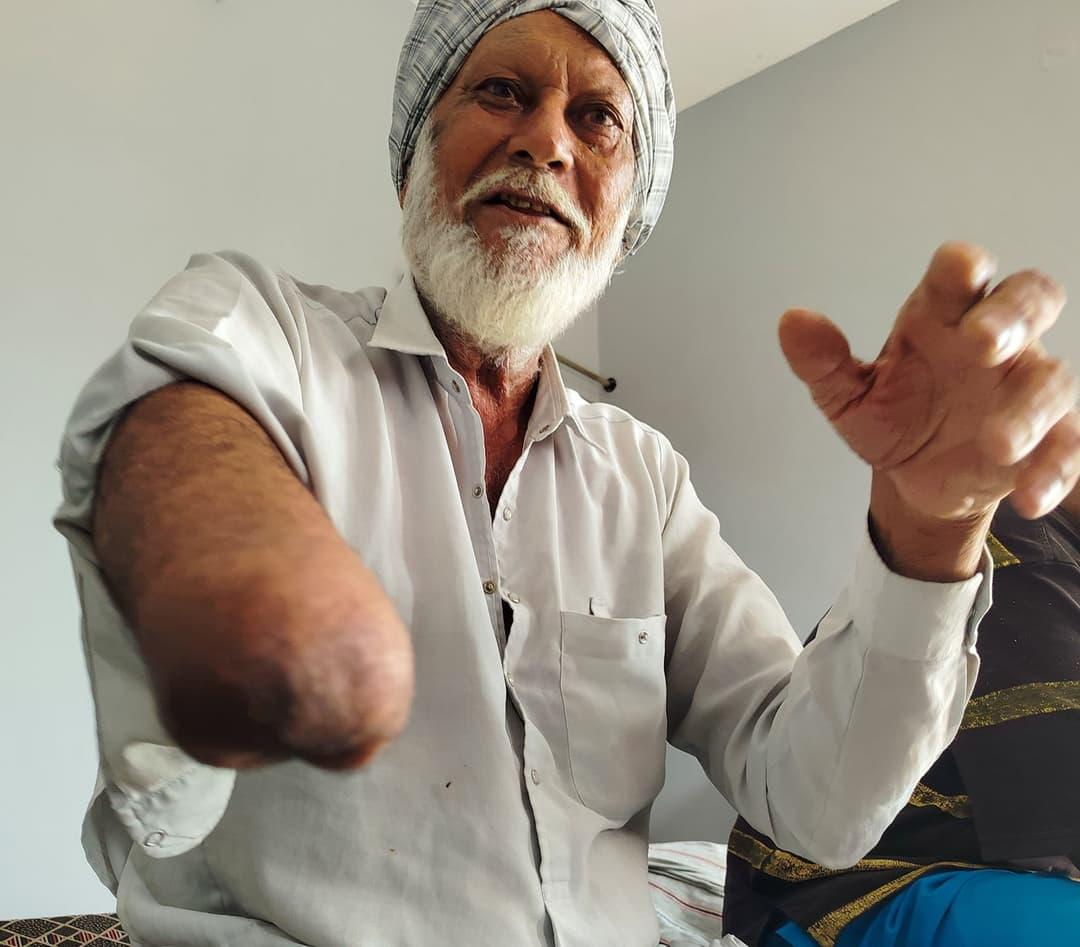 Aging with Disability in India: The Gap Nobody Is Planning ForIndia is growing older, and the need for assistive technology is growing with it. But what happens after someone receives a prosthesis, wheelchair or other assistive device? We need to start planning for a lifetime of support, not just one moment of need.
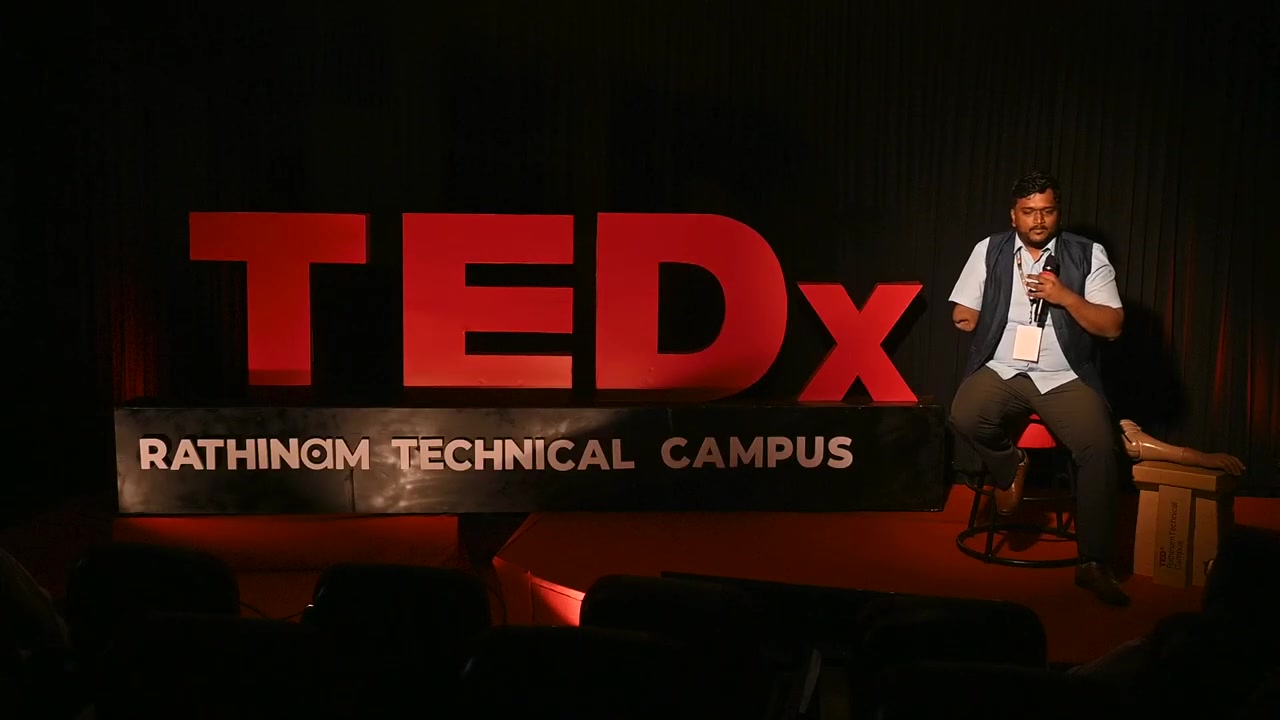 Design for Human Agency: My TEDx TalkAfter my right arm was amputated, I began building prosthetics. At TEDxRTC, I shared why the hardest lesson was learning that my experience alone could never tell me what someone else needed.